
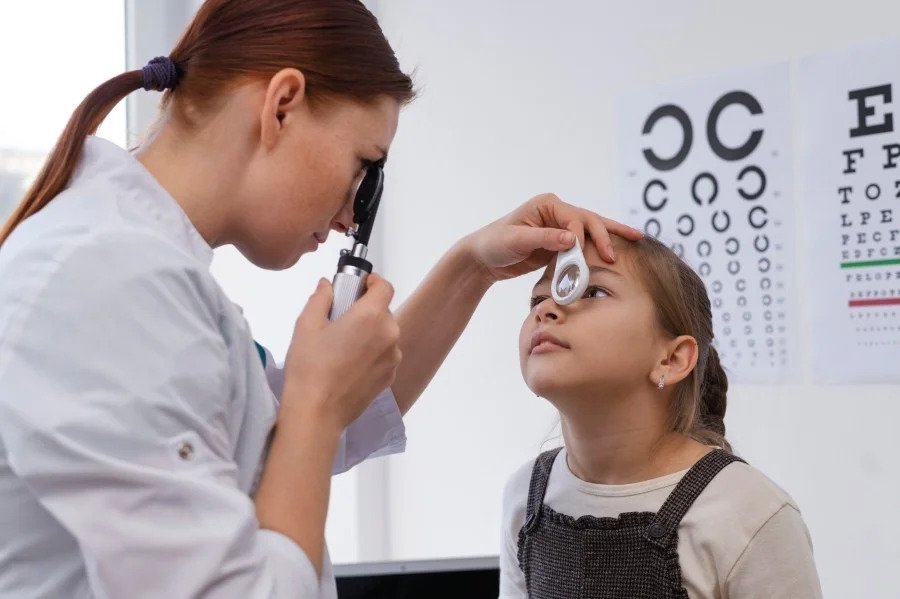
Children rely heavily on their vision to learn, play, and explore the world around them. However, many parents often miss early signs of eye issues because children may not be able to explain what they are experiencing. Understanding Common Eye Problems in Children is essential for ensuring timely diagnosis and treatment. Moreover, regular eye examinations can help identify vision-related concerns before they begin affecting a child’s development and academic performance.
When parents notice symptoms such as frequent eye rubbing, excessive blinking, headaches, or difficulty focusing, consulting an experienced eye specialist becomes important. Choosing the right eye clinic can make a significant difference in protecting your child’s vision and overall eye health.
For fast information, direct chat with us on WhatsApp.
Why Early Detection of Children’s Eye Conditions Matters
A child’s visual system continues to develop during the early years of life. Therefore, untreated eye conditions can lead to long-term vision complications. In many cases, early diagnosis not only improves treatment outcomes but also prevents permanent vision loss.
Additionally, good vision plays a vital role in reading, writing, sports activities, and social interactions. Consequently, parents should never ignore signs that may indicate underlying eye problems.
Understanding Common Eye Problems in Children
Several eye conditions frequently affect children. While some are minor and temporary, others require specialized medical attention. Recognizing these conditions can help parents seek treatment at the right time.
Refractive Errors in Children
Refractive errors are among the most frequently diagnosed vision problems in children. These include:
- Nearsightedness (Myopia)
- Farsightedness (Hyperopia)
- Astigmatism
Children with refractive errors may squint while reading, sit very close to screens, or complain about blurry vision. Fortunately, prescription glasses and regular monitoring often help manage these conditions effectively.
Amblyopia (Lazy Eye)
Amblyopia occurs when one eye develops weaker vision than the other. Since the brain begins favoring the stronger eye, vision in the weaker eye may deteriorate over time.
Early treatment is crucial because visual development continues throughout childhood. Treatment options may include:
- Corrective glasses
- Eye patch therapy
- Vision exercises
- Specialized pediatric eye care
The earlier the condition is diagnosed, the better the chances of achieving normal vision development.
Squint or Crossed Eyes (Strabismus)
Strabismus is a condition where the eyes do not align properly. One eye may look straight ahead while the other turns inward, outward, upward, or downward.
Besides affecting appearance, strabismus can interfere with depth perception and visual coordination. Therefore, prompt evaluation by a pediatric eye specialist is highly recommended.
Treatment may involve:
- Prescription glasses
- Eye exercises
- Prism lenses
- Surgical correction in selected cases
Common Vision Issues in Children Related to Digital Screens
Modern lifestyles have significantly increased screen exposure among children. As a result, many children experience symptoms associated with prolonged digital device usage.
Common symptoms include:
- Eye strain
- Dry eyes
- Blurred vision
- Headaches
- Difficulty concentrating
Parents can reduce these issues by encouraging regular breaks, limiting unnecessary screen time, and ensuring proper lighting during device use.
Eye Allergies and Conjunctivitis
Children often develop eye allergies due to dust, pollen, pollution, or seasonal changes. Symptoms may include:
- Itching
- Redness
- Watering
- Swelling around the eyes
Similarly, conjunctivitis, commonly known as pink eye, can cause redness and discharge. Since some forms of conjunctivitis spread easily, early diagnosis and proper treatment are important.
An eye specialist can determine whether the condition is allergic, viral, or bacterial and recommend the most suitable treatment plan.
Signs Parents Should Never Ignore
Many parents assume that children will naturally outgrow certain eye concerns. However, several warning signs require professional evaluation.
Watch for symptoms such as:
- Frequent eye rubbing
- Constant blinking
- Tilting the head while reading
- Poor academic performance
- Holding books very close
- Complaints of double vision
- Excessive sensitivity to light
- Difficulty tracking moving objects
If any of these symptoms appear regularly, scheduling a comprehensive eye examination is advisable.
How Pediatric Eye Specialists Diagnose Eye Conditions
Accurate diagnosis forms the foundation of successful treatment. During a pediatric eye examination, specialists evaluate:
- Visual acuity
- Eye alignment
- Eye movement
- Depth perception
- Color vision
- Overall eye health
Furthermore, age-appropriate diagnostic techniques help ensure a comfortable experience for children. Comprehensive evaluations allow specialists to identify problems that may not be obvious during routine observations.
Treatment Options for Common Eye Problems in Children
Treatment depends on the specific condition and its severity. Fortunately, modern pediatric ophthalmology offers several effective solutions.
Glasses and Vision Correction
Corrective lenses remain one of the most effective treatments for refractive errors. Customized prescriptions help children achieve clear vision while supporting healthy visual development.
Vision Therapy
Vision therapy involves structured exercises designed to improve eye coordination, focusing ability, and visual processing skills. In certain cases, it can significantly enhance visual function.
Medical Management
Conditions such as allergies, infections, and inflammation often respond well to medications prescribed by an eye specialist. Timely intervention helps prevent complications and promotes faster recovery.
Surgical Treatment When Necessary
Some conditions, including specific cases of strabismus or congenital eye abnormalities, may require surgical correction. Advances in ophthalmic surgery have made many procedures safer and more effective than ever before.
Choosing the Best Clinic in Gurgaon for Children’s Eye Care
When searching for a trusted eye clinic for your child, several factors should be considered.
Look for:
- Experienced pediatric eye specialists
- Comprehensive diagnostic facilities
- Child-friendly environment
- Personalized treatment plans
- Advanced eye care technology
- Strong focus on preventive eye health
A clinic that specializes in children’s eye care understands the unique needs of young patients and provides treatment in a comfortable, reassuring setting.
Conclusion
Awareness of Common Eye Problems in Children can help parents take timely action and protect their child’s vision. From refractive errors and lazy eye to squint and eye allergies, early diagnosis plays a vital role in achieving successful outcomes. Moreover, regular eye examinations allow specialists to detect concerns before they interfere with learning, development, and daily activities.
If you notice any signs of vision difficulty in your child, seeking professional eye care without delay can make a lasting difference. With expert evaluation and appropriate treatment, most childhood eye conditions can be managed effectively, helping children enjoy healthy vision for years to come.