
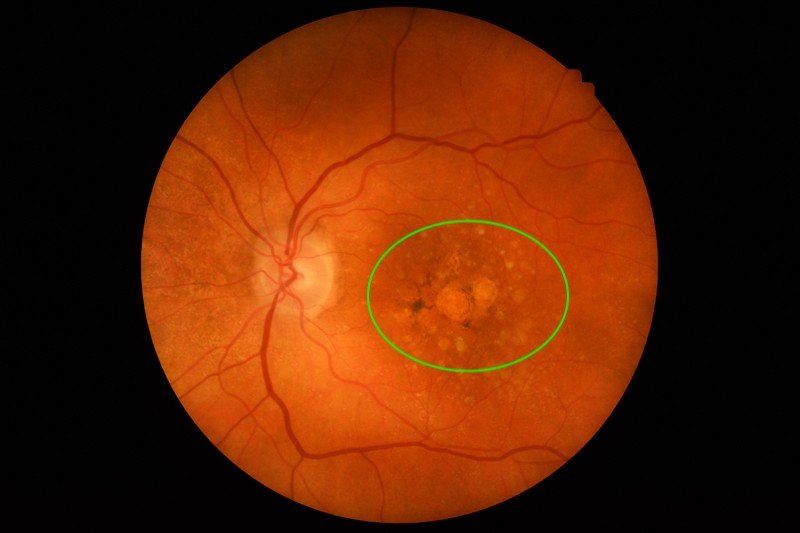
Macular degeneration is a retinal condition that can affect central vision and make everyday activities such as reading, driving, recognising faces, or using digital screens more difficult. With timely diagnosis and appropriate care, progression can often be monitored and managed. Macular Degeneration Treatment in Gurugram depends on the type and stage of macular degeneration, the condition of the retina, and the individual patient’s vision needs.
At the clinic of Dr. Sneha Tiwari, patients can receive comprehensive eye evaluation and guidance based on their retinal health. Understanding the available treatment options can help patients make informed decisions about their eye care.
For fast information, direct chat with us on WhatsApp.
What Is Macular Degeneration?
Macular degeneration affects the macula, which is the central part of the retina responsible for detailed vision. Age-related macular degeneration, commonly called AMD, is one of the major causes of central vision loss in older adults.
There are two main forms:
- Dry macular degeneration: This is the more common type. It can cause gradual thinning and damage to the macula.
- Wet macular degeneration: This occurs when abnormal blood vessels develop under the retina and leak fluid or blood. Vision loss can progress more quickly.
The treatment approach is different for each type. Therefore, an accurate eye examination is an important first step.
How Is Macular Degeneration Diagnosed?
Before starting Macular Degeneration Treatment in Gurugram, an ophthalmologist needs to understand the condition of the retina and macula.
A detailed eye examination may include:
- Visual acuity testing
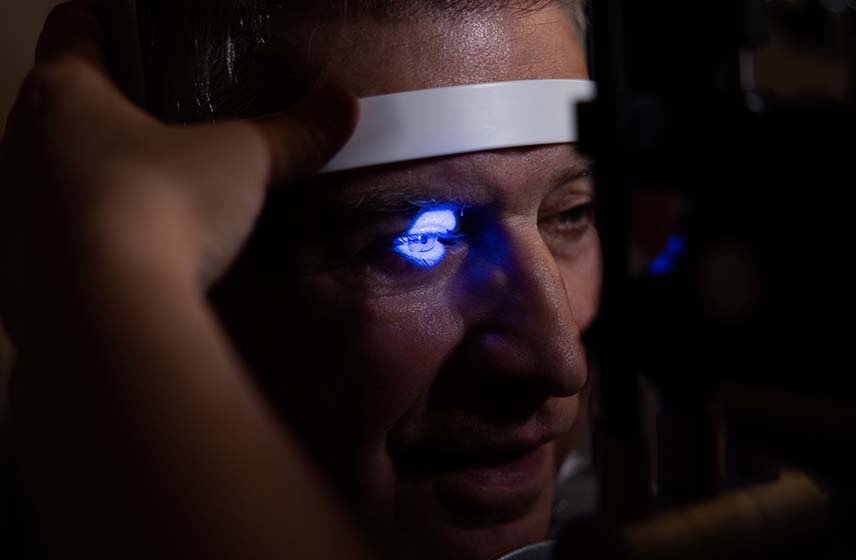
- Dilated retinal examination
- Optical Coherence Tomography (OCT)
- OCT Angiography, when required
- Fundus photography
- Fluorescein angiography in selected cases
OCT provides detailed cross-sectional images of the retina. It can help doctors identify retinal swelling, fluid, structural changes, or other abnormalities.
Early detection is particularly important because some patients may have retinal changes before noticing significant symptoms.
Treatment Options for Dry Macular Degeneration
Dry AMD usually develops more gradually than wet AMD. Treatment depends on its stage and whether geographic atrophy or other advanced changes are present.
1. Regular Retinal Monitoring
For some patients, the most appropriate approach is regular monitoring. Follow-up examinations can help detect changes before significant vision loss occurs.
Your ophthalmologist may recommend periodic retinal imaging and vision checks depending on the severity of the condition.
2. AREDS2 Supplements for Selected Patients
Certain patients with intermediate AMD may benefit from specific nutritional supplements based on the AREDS2 formulation.
However, these supplements are not suitable for everyone with macular degeneration. A doctor should determine whether they are appropriate based on the patient’s retinal findings and overall health.
3. Healthy Lifestyle and Nutrition
Lifestyle management can also support overall eye health.
A balanced diet containing leafy green vegetables, colourful fruits and vegetables, and fish can be part of a healthy approach. Avoiding smoking is also important because smoking is associated with increased AMD risk.
These measures do not replace medical treatment, but they can form an important part of long-term eye care.
Treatment Options for Wet Macular Degeneration
Wet AMD requires prompt medical attention because abnormal blood vessels can leak fluid or blood into the retina.
One of the main treatment options is anti-VEGF therapy.
Anti-VEGF Injections
Anti-VEGF medicines are injected into the eye to reduce abnormal blood vessel growth and leakage. They are widely used for treating wet AMD and can help slow vision loss or, in some patients, improve vision.
The number and frequency of injections vary between patients. Some people may need repeated treatments over an extended period.
Modern retinal treatment also includes longer-lasting medication options for selected patients. The appropriate medicine and treatment schedule depend on retinal findings and the patient’s response to therapy.
Is Laser Treatment Used for Macular Degeneration?
Laser treatment may be appropriate for selected retinal conditions and certain types of abnormal blood vessels. However, it is not the standard treatment for every patient with wet AMD.
Your ophthalmologist will determine whether laser therapy has a role based on the location and characteristics of the abnormal blood vessels.
This is why a personalised retinal evaluation is important before selecting a treatment.
What About Geographic Atrophy?
Geographic atrophy is an advanced form of dry AMD that involves loss of retinal cells in specific areas.
Treatment options for geographic atrophy have expanded in recent years. Certain complement-inhibiting medicines can slow the progression of geographic atrophy in appropriately selected patients. However, these treatments require careful discussion because they do not simply restore already-lost vision and may have important risks and monitoring requirements.
Your retinal specialist can explain whether such treatment is appropriate for your particular condition.
Can Macular Degeneration Be Completely Cured?
At present, there is no single treatment that completely reverses every form of macular degeneration.
The main goal of treatment is to:
- Slow disease progression
- Protect remaining vision
- Control retinal fluid or bleeding when present
- Detect changes early
- Maintain independence and quality of life
For wet AMD, anti-VEGF treatment has significantly changed the outlook for many patients. For dry AMD, monitoring, appropriate nutritional strategies, lifestyle measures, and newer treatments for selected advanced cases may help manage the disease.

When Should You See an Eye Specialist?
You should arrange an eye examination if you notice:
- Straight lines appearing wavy
- New blurry or distorted central vision
- A dark or blank spot in central vision
- Difficulty reading
- Difficulty recognising faces
- Sudden changes in vision
An Amsler grid may also be recommended for some patients to monitor changes in central vision at home. If new distortion or a missing area develops, contact your eye specialist promptly.
Macular Degeneration Treatment in Gurugram With Personalised Eye Care
Choosing the right Macular Degeneration Treatment in Gurugram starts with an accurate diagnosis. The treatment is not the same for every patient. Dry AMD, wet AMD, and geographic atrophy require different approaches.
Dr. Sneha Tiwari focuses on comprehensive eye evaluation and personalised treatment planning. Her clinic provides eye care services in Gurugram, including retinal screening for conditions associated with diabetes and hypertension.
Regular eye examinations can help identify retinal changes at an earlier stage and allow appropriate treatment or monitoring when needed.
Conclusion
Macular degeneration can affect central vision, but timely diagnosis and appropriate management can make a significant difference. Macular Degeneration Treatment in Gurugram may include regular monitoring, nutritional support for selected patients, lifestyle changes, anti-VEGF injections, and other retinal treatments depending on the type and stage of disease.
If you notice distortion, blurry central vision, or sudden changes in your eyesight, do not ignore them. A detailed retinal examination can help identify the underlying problem and determine the most suitable treatment plan.
Frequently Asked Questions
1. What is the best treatment for macular degeneration?
There is no single best treatment for every patient. Treatment depends on whether the patient has dry AMD, wet AMD, or geographic atrophy. Wet AMD is commonly treated with anti-VEGF injections, while dry AMD may require monitoring, lifestyle measures, nutritional strategies, or treatment for geographic atrophy in selected cases.
2. Can wet macular degeneration be treated with injections?
Yes. Anti-VEGF injections are an important treatment for wet AMD. They work by reducing abnormal blood vessel activity and leakage in the retina. Repeated treatment may be required depending on the patient’s condition and response.
3. Can dry macular degeneration be treated?
Management depends on the stage of dry AMD. Regular monitoring and lifestyle measures are important. Certain patients may benefit from AREDS2 nutritional supplements, while newer treatments may be considered for selected patients with geographic atrophy.
4. How can I monitor macular degeneration at home?
Your ophthalmologist may recommend checking your central vision regularly, sometimes using an Amsler grid. Test each eye separately and report new wavy lines, blank areas, or distortion to your eye specialist promptly.
5. When should I seek Macular Degeneration Treatment in Gurugram?
You should consult an eye specialist if you experience new central blurring, distorted straight lines, dark spots, difficulty reading, or sudden changes in vision. Early evaluation can help determine whether treatment or close monitoring is required.