
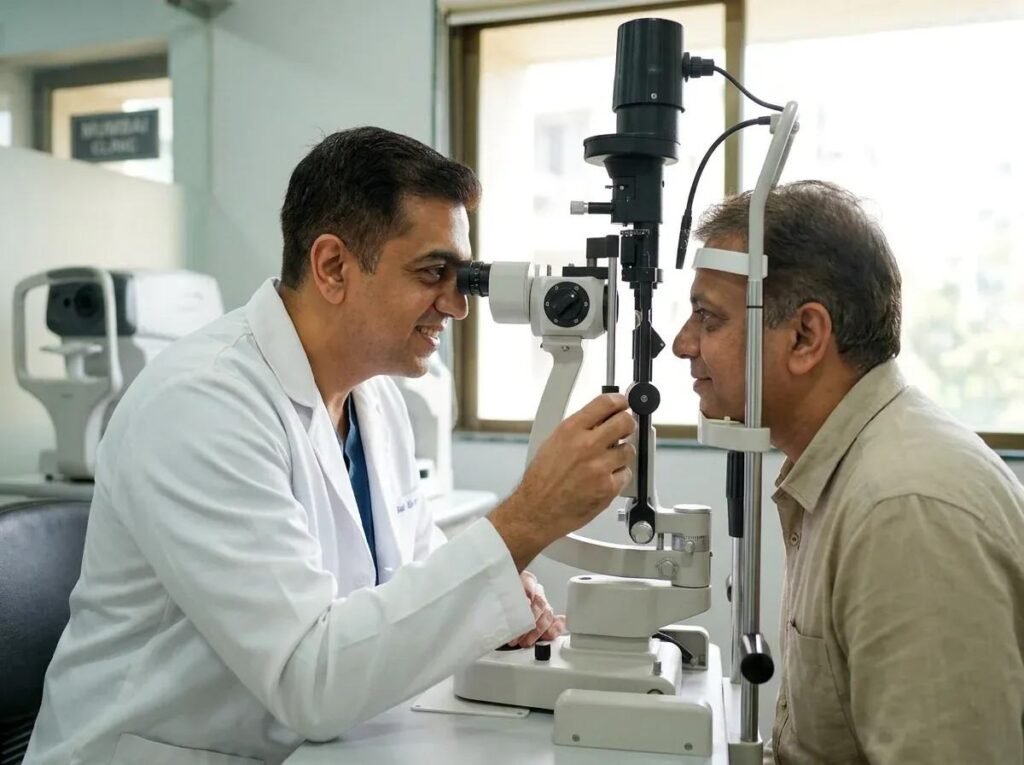
Your eyes play an important role in everyday life. However, symptoms such as blurred vision, redness, eye pain, and excessive watering are often ignored. If these problems persist, they may indicate an underlying eye condition that needs medical attention. Consulting an Eye Specialist in Sector 51 Gurugram can help identify the cause and determine the right treatment.
Some eye problems develop gradually, while others appear suddenly. Although minor irritation may improve on its own, certain symptoms can signal a serious condition. Recognising these warning signs early can help protect your vision and support long-term eye health.
For fast information, direct chat with us on WhatsApp.
8 Common Eye Problem Symptoms You Should Not Ignore
1. Blurred or Distorted Vision
Blurred vision is one of the most common signs of an eye problem. You may struggle to read, see distant objects clearly, or focus on a computer screen. Sometimes, straight lines may also appear wavy or distorted.
Common causes include refractive errors, dry eyes, cataracts, and other eye conditions. However, sudden blurred vision can indicate a medical emergency.
If your vision becomes blurry without warning, seek urgent medical attention. An Eye Specialist in Sector 51 Gurugram can examine your eyes and recommend appropriate tests to identify the cause.
2. Persistent Redness in the Eyes
Red eyes can develop because of allergies, irritation, dryness, or conjunctivitis. You may also notice itching, swelling, or watery discharge.
Occasional redness may improve with appropriate care. However, persistent redness accompanied by pain, light sensitivity, or reduced vision should not be ignored.
Avoid rubbing your eyes, as this may worsen irritation. Also, do not use antibiotic or steroid eye drops without medical advice. The correct treatment depends on the underlying cause.
3. Eye Pain or Discomfort
Eye pain can range from mild irritation to severe discomfort. You may experience a burning sensation, pressure around the eyes, or pain while moving your eyes.
Common causes include dry eye disease, corneal injuries, infections, and inflammation. Severe eye pain with redness, blurred vision, headaches, nausea, or vomiting can indicate an urgent condition, such as acute angle-closure glaucoma.
Do not ignore severe or unexplained eye pain. Prompt assessment can help identify the problem and reduce the risk of complications.
4. Dryness, Burning, or a Gritty Feeling
Do your eyes feel dry, scratchy, or as though something is stuck inside them? These symptoms may indicate dry eye disease.
Dry eyes can occur when the eyes do not produce enough tears or when tears evaporate too quickly. Long hours on digital devices, contact lens use, certain medicines, and environmental conditions may contribute to the problem.
You can support eye comfort by taking regular screen breaks and blinking consciously. However, persistent symptoms need an eye examination.
An Eye Specialist in Sector 51 Gurugram can assess your tear film and recommend suitable treatment based on your symptoms.
5. Excessive Watering or Eye Discharge
Watery eyes do not always mean that your eyes are healthy. In some cases, excessive tearing occurs because dryness or irritation triggers additional tear production.
Allergies, infections, blocked tear ducts, and eyelid problems can also cause watery eyes. If you notice thick discharge, crusting around the eyelids, swelling, or persistent discomfort, arrange an eye examination.
Avoid sharing towels or eye makeup if an infection is suspected. Good hygiene can help reduce the spread of certain eye infections.
6. Sensitivity to Light
Light sensitivity, also called photophobia, can make sunlight, bright indoor lighting, or vehicle headlights uncomfortable.
This symptom may occur with dry eyes, migraine, corneal problems, or inflammation inside the eye. Sometimes, it develops alongside redness, headaches, or blurred vision.
If light sensitivity is sudden, severe, or associated with eye pain or reduced vision, seek urgent medical care.
Wearing suitable sunglasses outdoors may improve comfort. However, sunglasses should not replace an examination when symptoms persist.
7. Flashes of Light or New Floaters
Floaters may appear as small dots, threads, or cobweb-like shapes moving across your field of vision. Some people also notice brief flashes of light.
Occasional floaters can occur with age-related changes inside the eye. However, a sudden increase in floaters or flashes may indicate a retinal tear or retinal detachment.
Seek urgent eye care if you notice new flashes, many new floaters, a dark shadow, or a curtain-like effect across your vision. Early assessment is important because some retinal conditions can cause permanent vision loss if treatment is delayed.
8. Difficulty Seeing at Night
Struggling to see in dim lighting or taking longer than usual to adjust to darkness may indicate an underlying vision problem.
Possible causes include refractive errors, cataracts, retinal conditions, or certain nutritional deficiencies. The cause cannot be confirmed through symptoms alone.
If night vision problems affect your ability to walk safely or drive, arrange an eye examination. Avoid driving in poor visibility until your vision has been assessed.
When Should You Visit an Eye Specialist in Sector 51 Gurugram?
You should arrange an eye examination if symptoms persist, recur frequently, or interfere with daily activities.
An eye specialist can assess your vision, examine the front and back of your eyes, and recommend additional tests when necessary. These may include a refraction test, eye pressure measurement, or a dilated retinal examination.
Routine eye check-ups are also important because some conditions, including early glaucoma, may develop without noticeable symptoms.
However, sudden vision loss, severe eye pain, new flashes with floaters, or a curtain-like shadow require urgent medical attention. Do not wait for a routine appointment if these warning signs appear.
Simple Ways to Protect Your Eye Health
Healthy habits can help maintain eye comfort and support good vision.
- Take screen breaks: Follow the 20-20-20 rule. Every 20 minutes, look at something about 20 feet away for 20 seconds.
- Maintain eye hygiene: Wash your hands before touching your eyes or handling contact lenses.
- Use prescribed eyewear: Wear your glasses or contact lenses as recommended.
- Eat a balanced diet: Include leafy green vegetables, fruits, and other nutrient-rich foods.
- Protect your eyes: Use appropriate protective eyewear during sports or activities involving dust and flying particles.
- Schedule regular examinations: Follow an eye specialist’s advice about check-up frequency, especially if you have diabetes or a family history of eye disease.
These habits can reduce certain risks and improve comfort. However, they cannot prevent every eye condition or replace professional eye care.
Conclusion
Eye symptoms should never be dismissed simply because they seem minor at first. Blurred vision, persistent redness, eye pain, dryness, excessive watering, and light sensitivity may have several causes. Some require simple treatment, while others need prompt medical attention.
Consulting an Eye Specialist in Sector 51 Gurugram can help you understand your symptoms and receive appropriate care. Dr. Sneha Tiwari emphasises the importance of recognising warning signs, attending regular eye examinations, and seeking timely medical advice to protect your vision.
If you notice sudden changes in your eyesight or persistent eye discomfort, arrange an examination rather than relying on home remedies or self-medication.
Frequently Asked Questions About Common Eye Problems
1. What are the most common symptoms of eye problems?
Common symptoms include blurred vision, redness, itching, dryness, excessive watering, eye pain, and sensitivity to light. The cause depends on the symptoms and requires appropriate assessment.
2. When should I consult an eye specialist?
Consult an eye specialist if symptoms persist, worsen, or affect your daily activities. Sudden vision loss, severe eye pain, or new flashes and floaters require urgent medical assessment.
3. Can excessive screen time cause eye problems?
Prolonged screen use can contribute to temporary eye strain, dryness, headaches, and blurred vision. Taking regular breaks and blinking frequently may help reduce discomfort.
4. Why do my eyes become red and watery?
Redness and watering may result from allergies, dryness, irritation, or an eye infection. Persistent symptoms, pain, or changes in vision should be assessed by an eye specialist.
5. Can regular eye check-ups detect problems before symptoms appear?
Yes. Comprehensive eye examinations can identify certain conditions before noticeable symptoms develop. Regular check-ups are especially important for people with diabetes, a family history of eye disease, or other risk factors.