
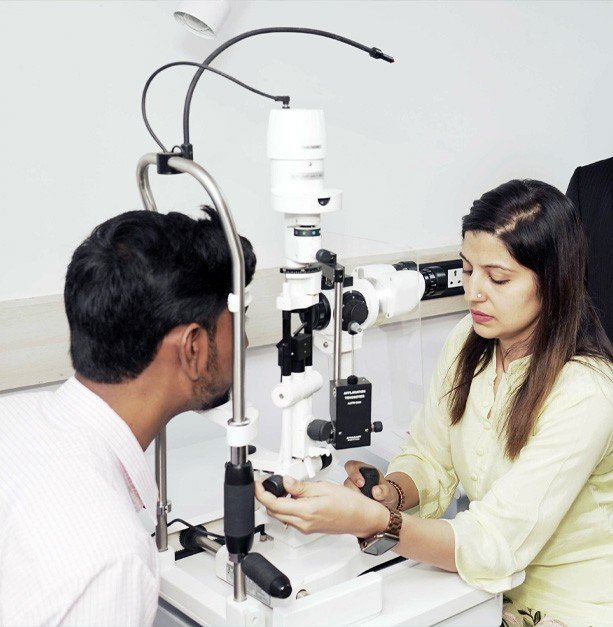
Healthy eyesight plays an important role in everyday life. From reading and driving to working on digital screens, clear vision helps us perform daily activities comfortably. Choosing the Best Eye Hospital in Sector 51 Gurugram can help you access appropriate eye examinations, diagnosis, and treatment for different vision problems. Regular eye check-ups can also help detect eye conditions before they begin to affect your eyesight significantly.
Dr. Sneha Tiwari focuses on the importance of personalised eye care, early diagnosis, and proper treatment guidance. Whether you need a routine eye examination or help with an ongoing eye problem, understanding the available services can help you make informed decisions about your vision.
For fast information, direct chat with us on WhatsApp.
1. Comprehensive Eye Examinations
A comprehensive eye examination is one of the most important services offered by an eye care clinic. It helps assess your vision and identify potential problems affecting your eyes.
During an examination, an eye specialist may check visual clarity, eye movements, and the overall health of the eyes. Additional tests may be recommended according to your age, symptoms, and medical history.
Regular eye examinations are beneficial for children, adults, and older people. They can help detect vision changes early and identify signs of certain eye diseases.
When choosing the Best Eye Hospital in Sector 51 Gurugram, look for a provider who explains the examination findings and recommends suitable follow-up care.
2. Vision Testing and Spectacle Prescription
Blurred vision can make reading, driving, and using digital devices difficult. It may occur because of refractive errors, such as myopia, hyperopia, or astigmatism.
Vision testing helps determine whether you need spectacles or a change in your existing prescription.
An eye specialist evaluates how clearly you can see objects at different distances. Further testing may be needed if your symptoms suggest an underlying eye condition.
Children should also receive appropriate vision assessments because undetected vision problems may affect reading, classroom participation, and everyday activities.
3. Cataract Evaluation and Treatment Guidance
A cataract develops when the natural lens of the eye becomes cloudy. It can cause blurred vision, glare, faded colours, and difficulty seeing clearly at night.
Cataracts commonly develop with age. However, other factors, including certain medical conditions, eye injuries, and long-term medication use, may also contribute.
An eye specialist can examine the lens and assess how much the cataract affects daily activities. Treatment depends on the severity of the condition.
In the early stages, updated spectacles or improved lighting may help with some visual difficulties. When cataracts significantly affect everyday life, surgery may be recommended.
If you are searching for the Best Eye Hospital in Sector 51 Gurugram, ask about cataract evaluation, surgical referral options, and follow-up care.
4. Glaucoma Screening and Monitoring
Glaucoma refers to a group of eye diseases that damage the optic nerve. It can lead to permanent vision loss if it is not detected and managed appropriately.
One challenge is that glaucoma may not cause noticeable symptoms during its early stages. Therefore, routine eye examinations are particularly important for people at increased risk.
Depending on individual needs, glaucoma assessment may include eye pressure measurement, optic nerve examination, visual field testing, and other investigations.
Early detection and regular monitoring can help doctors manage the condition and reduce the risk of further damage. Treatment may involve prescription eye drops, laser procedures, or surgery, depending on the type and severity of glaucoma.
5. Dry Eye Treatment and Eye Strain Management
Dry eyes are a common concern, especially among people who spend long hours using computers, smartphones, or other digital devices.
Symptoms may include burning, irritation, redness, a gritty sensation, or fluctuating vision. Some people also experience excessive watering.
An eye specialist can assess possible causes and recommend suitable treatment. Depending on the findings, management may include lubricating eye drops, eyelid hygiene, warm compresses, or other treatments.
You can also support eye comfort by taking regular screen breaks, blinking frequently, and avoiding direct airflow from fans or air conditioners towards your eyes.
However, persistent discomfort should not be ignored. A proper examination can help rule out other eye conditions.
6. Eye Infection Diagnosis and Treatment
Eye infections can affect different parts of the eye and surrounding tissues. Symptoms may include redness, discharge, irritation, swelling, and discomfort.
Conjunctivitis is one common condition. It may result from a viral or bacterial infection or an allergic reaction. These causes require different approaches to treatment.
An eye specialist examines the symptoms and recommends appropriate care. Antibiotic eye drops are useful for certain bacterial infections but do not treat viral infections.
Avoid using leftover eye drops or medicines without medical advice. Some drops, particularly those containing steroids, may worsen particular eye conditions if used incorrectly.
Seek prompt medical attention if you experience significant eye pain, light sensitivity, or sudden changes in vision.
7. Retina Examination and Diabetic Eye Care
The retina is the light-sensitive tissue at the back of the eye. It plays an essential role in sending visual information to the brain.
Conditions affecting the retina can interfere with vision. Diabetes, for example, can damage retinal blood vessels and lead to diabetic retinopathy.
People with diabetes should undergo regular eye examinations, even when their vision appears normal. Early retinal disease may not produce obvious symptoms.
Depending on the examination, the eye specialist may recommend a dilated retinal assessment, retinal photography, or other diagnostic tests.
Timely detection and appropriate treatment can help reduce the risk of serious vision complications.
8. Children’s Eye Care and Vision Assessment
Children may not always recognise or communicate that they have a vision problem. Therefore, age-appropriate eye examinations are important.
Signs that may indicate a vision concern include frequent squinting, sitting very close to a screen, holding books near the face, or experiencing difficulty with reading.
These signs do not always mean that a child has an eye disorder. However, they should be assessed when persistent.
An eye specialist can evaluate vision and check for problems such as refractive errors, eye alignment issues, and other conditions affecting visual development.
Early diagnosis can help ensure that children receive appropriate treatment and support.
9. Eye Diagnostic Tests and Preventive Care
Modern eye care may involve several diagnostic tests to identify conditions that are not visible during a basic vision check.
Depending on your symptoms and examination findings, your eye specialist may recommend:
- Visual acuity testing: Measures how clearly you can see.
- Tonometry: Measures pressure inside the eye.
- Slit-lamp examination: Examines structures at the front of the eye.
- Dilated eye examination: Allows a closer look at the retina and optic nerve.
- Visual field testing: Checks for areas of reduced peripheral vision.
Not everyone needs every test. The appropriate investigations depend on your symptoms, risk factors, and clinical findings.
Choosing the Best Eye Hospital in Sector 51 Gurugram involves understanding whether the provider can assess your concerns and guide you towards suitable diagnostic and treatment services.
10. Personalised Eye Care and Follow-Up
Eye care does not always end after the first appointment. Some conditions require regular monitoring, changes in treatment, or additional investigations.
For example, people with glaucoma may need periodic pressure checks and optic nerve assessments. Patients with diabetes may require regular retinal examinations. Those using spectacles may also need updated prescriptions as their vision changes.
Dr. Sneha Tiwari encourages patients to discuss their symptoms, medical history, and concerns openly. Understanding the treatment plan can help patients follow medical advice and attend recommended follow-up appointments.
When Should You Visit an Eye Specialist?
Do not wait for a routine appointment if you experience sudden vision loss, severe eye pain, new flashes of light, a sudden increase in floaters, or a curtain-like shadow across your vision. These symptoms may indicate an eye emergency and require immediate assessment.
Persistent redness, blurred vision, recurring headaches associated with visual tasks, and ongoing eye irritation also deserve professional evaluation.
Conclusion
Choosing the right eye care provider is an important step towards protecting your vision. Services such as comprehensive eye examinations, vision testing, cataract assessment, glaucoma screening, dry eye management, and retinal evaluation can help address a wide range of eye health concerns.
The Best Eye Hospital in Sector 51 Gurugram should offer appropriate assessment, clear treatment guidance, and follow-up recommendations based on each patient’s needs. Dr. Sneha Tiwari emphasises the value of regular eye check-ups and early attention to unusual symptoms.
Taking care of your eyes today can help you maintain better vision and support your long-term eye health.
Frequently Asked Questions
1. What services are available at the Best Eye Hospital in Sector 51 Gurugram?
Eye care services may include comprehensive eye examinations, vision testing, spectacle prescriptions, cataract evaluation, glaucoma screening, dry eye treatment, infection management, and retinal assessments. Availability varies by clinic.
2. How often should I get my eyes checked?
The recommended frequency depends on your age, medical history, symptoms, and risk factors. People with diabetes or existing eye conditions may need more frequent examinations than those without known concerns.
3. Can regular eye examinations detect eye diseases early?
Yes. Eye examinations can help identify conditions such as glaucoma, cataracts, and diabetic retinopathy. Some of these conditions may develop without noticeable symptoms in their early stages.
4. When should I consult an eye specialist for blurred vision?
Consult an eye specialist if blurred vision persists, worsens, or interferes with daily activities. Sudden blurred vision or vision loss requires immediate medical assessment.
5. How can I maintain healthy eyesight?
Attend recommended eye examinations, manage conditions such as diabetes, take regular breaks from screens, wear appropriate protective eyewear, and follow your eye specialist’s advice. Seek medical attention when you notice unusual changes in your vision.