
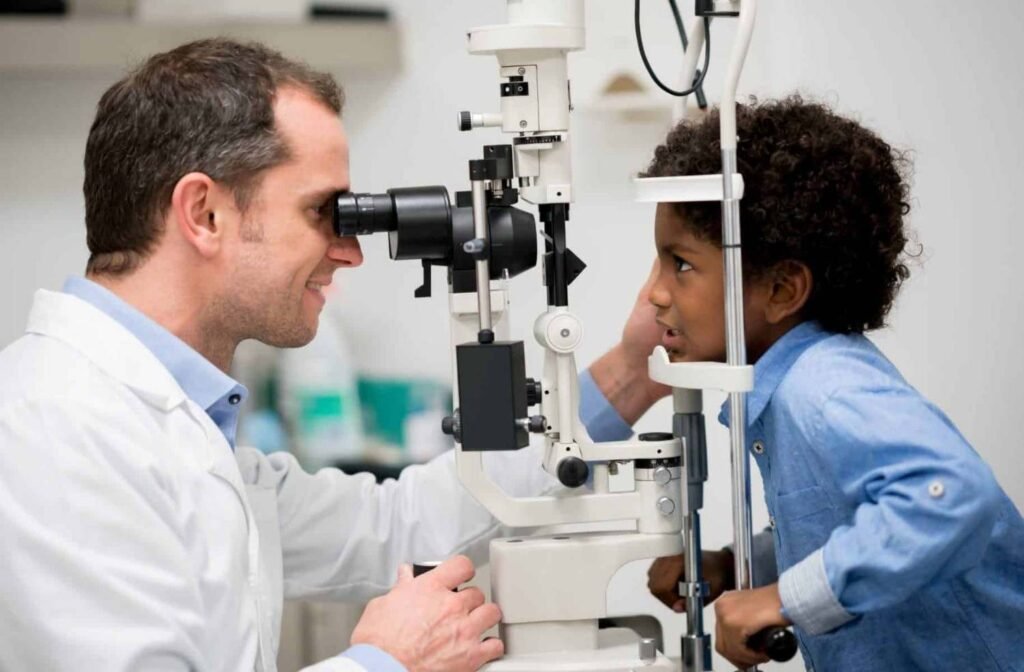
Your eyes can change gradually, even when your vision seems perfectly normal. Visiting an Ophthalmologist in Sector 51 Gurugram, for a comprehensive eye check-up can help detect vision problems and certain eye conditions at an early stage. Regular examinations are especially important as you get older or if you have diabetes, high blood pressure, a family history of eye disease, or previous eye problems. A routine eye examination is not only about checking your glasses power; it also involves assessing the overall health of your eyes.
For fast information, direct chat with us on WhatsApp.
Why Are Regular Eye Check-Ups Important?
Many eye conditions may develop without obvious symptoms during their early stages. A person may continue seeing clearly while changes are already occurring inside the eye.
A comprehensive examination can assess visual acuity, refractive errors, eye health, and other aspects of the visual system. Depending on your age and risk factors, your ophthalmologist may recommend additional tests.
Regular check-ups can therefore help identify problems earlier and allow appropriate treatment or monitoring when needed.
How Often Should You Get an Eye Check-Up?
There is no single schedule that is suitable for everyone. Your ideal examination frequency depends on your age, eye health, general health, family history, medications, and previous eye conditions.
For adults with no significant risk factors, professional guidance has traditionally included periodic examinations, while newer guidance from the American Optometric Association supports annual comprehensive examinations for adults. The same guidance emphasizes that examination frequency should be individualized according to risk factors.
This means an annual eye check-up can be a practical preventive-care routine, while some people may need examinations more frequently.
Eye Check-Ups for Young Adults
Young adults may assume that an eye examination is unnecessary if they can see clearly. However, regular examinations can still be useful.
People who spend many hours working on computers, using smartphones, or performing other close-up visual tasks may experience eye strain, headaches, dryness, or difficulty focusing.
If you have no symptoms and no significant risk factors, your ophthalmologist can recommend an appropriate examination interval based on your individual needs.
Eye Exams Between 40 and 64
Eye health becomes increasingly important from the age of 40 onward. Changes in near vision are common, and the risk of several eye conditions can increase with age.
A regular Ophthalmologist in Sector 51 Gurugram can assess changes in your vision and determine whether additional evaluation is required.
You should not wait for your vision to become significantly blurred before scheduling an examination. Periodic eye care can help identify changes that may not yet be noticeable in everyday activities.
Eye Check-Ups After 65
Older adults generally require more regular monitoring because the risk of age-related eye conditions increases with age.
Depending on your individual risk profile, your ophthalmologist may recommend annual or more frequent examinations. Regular monitoring can be particularly important if you already have an eye condition or take medications that can affect eye health.
The American Optometric Association’s adult examination guidance recommends at least annual examinations for adults aged 65 and older, with more frequent care when risk factors are present.
Who May Need More Frequent Eye Examinations?
Some people should not rely on a routine schedule alone. Your eye doctor may recommend more frequent check-ups if you have:
- Diabetes or other systemic health conditions affecting the eyes
- High blood pressure
- A personal history of eye disease
- A family history of eye disease
- Previous eye surgery or injury
- Significant or changing refractive error
- Contact lens use
- A history of glaucoma or other eye conditions
- Vision in only one functional eye
- New or recurring eye symptoms
These factors can change the recommended frequency of examinations.
Signs You Should Visit an Ophthalmologist Sooner
You do not always need to wait until your next scheduled check-up.
Make an appointment promptly if you notice a sudden or persistent change in your vision. Other symptoms that deserve professional assessment include:
- Sudden blurred or reduced vision
- Persistent eye pain
- New flashes of light
- A sudden increase in floaters
- Unusual sensitivity to light
- Persistent redness or irritation
- Difficulty focusing
- Double vision
- Headaches associated with visual problems
Some eye symptoms can require urgent assessment. Sudden vision loss, severe eye pain, or sudden visual disturbances should not be ignored.
What Happens During a Comprehensive Eye Check-Up?
A comprehensive eye examination can involve more than reading letters from an eye chart.
Depending on your needs, an Ophthalmologist in Sector 51 Gurugram may evaluate your visual acuity, refractive status, eye movements, pupils, peripheral vision, and the health of different eye structures.
Your medical and family history may also be discussed. Additional diagnostic tests can be recommended when your symptoms, age, or risk factors indicate that they are necessary.
This is why a simple vision screening should not always be considered a substitute for a comprehensive professional eye examination.
Why You Should Not Rely Only on Clear Vision
Clear vision does not necessarily mean that your eyes are completely healthy.
Some eye and vision problems can develop with few or no noticeable symptoms. This is one reason periodic professional examinations are important. A comprehensive examination allows the doctor to evaluate eye health rather than simply determining whether you can read a particular line on a vision chart.
For people living or working around Gurugram, scheduling a regular appointment with an Ophthalmologist in Sector 51 Gurugram can make eye care part of a consistent preventive-health routine.
How to Maintain Healthy Eyes Between Check-Ups
Regular examinations are important, but everyday habits also contribute to eye comfort and long-term eye health.
If you work on a computer for long periods, take regular breaks and avoid prolonged uninterrupted screen use. Maintain good lighting while reading or working. Use appropriate protective eyewear when there is a risk of eye injury.
If you wear contact lenses, follow proper cleaning, storage, and replacement instructions. Avoid using eye drops or other eye medications for prolonged periods without professional advice.
Managing conditions such as diabetes and high blood pressure is also important because systemic health can affect eye health.
Choosing an Ophthalmologist in Sector 51 Gurugram
When selecting an eye specialist, consider your specific needs rather than choosing solely based on convenience.
Look for an ophthalmologist who can perform appropriate comprehensive examinations and explain the findings clearly. If you already have an eye condition, ask whether the doctor provides the relevant diagnostic evaluation and follow-up care.
For patients in the area, Dr. Sneha Tiwari is listed as an ophthalmologist and eye surgeon at GS Care Multispeciality Clinic in Sector 51, Gurugram. Dr. Sneha Tiwari
5 Important Eye Check-Up FAQs
1. How often should adults get an eye check-up?
The ideal frequency depends on age, symptoms, medical history, and risk factors. Many adults can benefit from regular comprehensive examinations, while people at higher risk may require more frequent monitoring.
2. Do I need an eye exam if my vision is clear?
Yes. Clear vision does not rule out every eye-health problem. Some conditions may develop without obvious symptoms, which is why periodic comprehensive examinations are useful.
3. Should people with diabetes have regular eye examinations?
Yes. Diabetes can affect the eyes, so people with diabetes should follow an eye-care schedule recommended by their healthcare and eye-care professionals.
4. Can excessive screen time affect my eyes?
Long periods of screen use can be associated with symptoms such as eye fatigue, dryness, and difficulty focusing. If these symptoms persist or interfere with daily activities, an eye examination can help identify the cause.
5. When should I see an ophthalmologist urgently?
Sudden vision loss, severe eye pain, new flashes, a sudden increase in floaters, or other sudden visual changes require prompt professional assessment.
Conclusion
Regular eye check-ups are an important part of preventive eye care. The right examination schedule is different for each person and depends on age, symptoms, medical history, family history, and other risk factors.
If you live in or around Gurugram, scheduling periodic care with an Ophthalmologist in Sector 51 Gurugram can help you monitor both your vision and overall eye health. Do not wait for significant vision problems before seeking professional advice. A timely comprehensive eye examination can help identify changes early and guide appropriate care.