
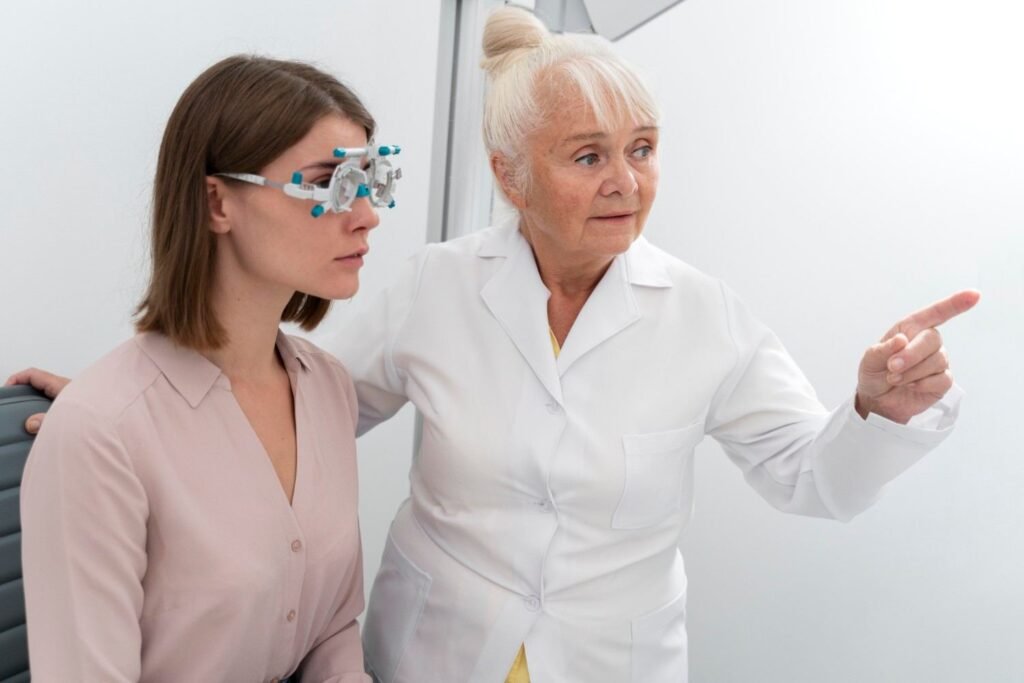
Genetic eye conditions can affect vision at different stages of life. Some may appear during childhood, while others become noticeable in adolescence or adulthood. If you or your child has unexplained vision problems or a family history of inherited eye disease, consulting a Genetic Eye Disorder Specialist in Gurugram can help identify the possible cause and guide appropriate evaluation.
For fast information, direct chat with us on WhatsApp.
Genetic eye disorders are linked to changes in genes that affect the development or function of different parts of the eye. These conditions can involve the retina, optic nerve, cornea, lens, or other eye structures. Early assessment is particularly important when symptoms are progressive or occur in several family members.
What Are Genetic Eye Disorders?
Genetic eye disorders are eye conditions associated with inherited or newly occurring genetic changes. Some are passed from parents to children, while others may occur because of a new genetic change.
Inherited retinal disorders are an important group of genetic eye diseases. Conditions such as retinitis pigmentosa and Stargardt disease can gradually affect vision. Retinitis pigmentosa, for example, commonly begins with difficulty seeing in low light and loss of peripheral vision.
Other genetic conditions can affect eye development. Coloboma, for example, occurs when part of the tissue forming the eye is missing and may be associated with genetic changes.
Because genetic eye disorders can vary widely, a detailed eye examination is often the first step toward understanding the condition.
When Should You See a Genetic Eye Disorder Specialist in Gurugram?
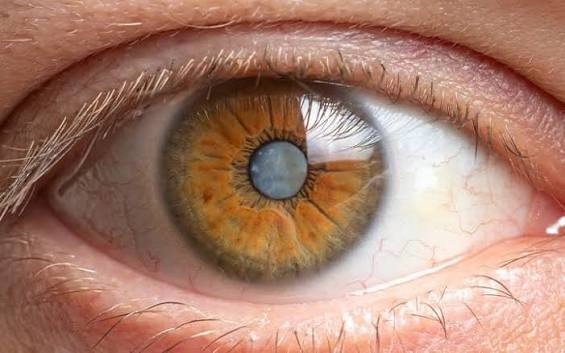
You may consider an evaluation if you notice unexplained or progressive vision changes, particularly when there is a possibility of an inherited condition.
1. There Is a Family History of Eye Disease
A family history of retinal degeneration, unexplained vision loss, childhood blindness, or other inherited eye problems can be an important reason for specialist evaluation.
However, the absence of a family history does not always rule out a genetic condition. Some disorders can result from new genetic changes, while recessive conditions may appear in a child even when parents do not have noticeable symptoms.
2. Your Child Has Unexplained Vision Problems
Children with genetic eye conditions may show unusual visual behaviour.
Parents may notice:
- Difficulty seeing in dim light
- Frequent bumping into objects
- Unusual sensitivity to bright light
- Abnormal eye movements
- Poor colour vision
- Progressive vision difficulties
- Difficulty recognising objects or faces
- Delayed visual development
For example, children with retinitis pigmentosa may initially have difficulty moving around in dark environments because night vision can be affected early.
If these signs persist, a comprehensive eye examination can help determine whether further retinal or genetic evaluation is needed.
3. Vision Loss Is Gradually Progressing
Gradual vision loss should not always be assumed to be a routine refractive problem.
Some inherited retinal diseases can progressively affect the light-sensitive cells of the retina. Stargardt disease, for instance, can cause gradual loss of central vision and increased sensitivity to light.
If vision continues to decline despite appropriate glasses or routine treatment, an ophthalmologist may recommend more detailed retinal investigations.
4. You Have Difficulty Seeing at Night
Night blindness can have several causes. However, when it develops early in life or occurs along with loss of peripheral vision, it may warrant evaluation for an inherited retinal condition.
Retinitis pigmentosa is one example where reduced night vision is commonly an early symptom.
A Genetic Eye Disorder Specialist in Gurugram can assess your symptoms along with your family and medical history to determine whether genetic eye disease should be considered.
5. Several Family Members Have Similar Eye Problems
If multiple relatives have experienced similar vision problems, it is useful to share this information during your eye consultation.
The pattern of affected family members can sometimes provide clues about how a condition may be inherited. Genetic eye disorders can follow different inheritance patterns, including autosomal dominant, autosomal recessive, and X-linked patterns.
A detailed family history can therefore become an important part of the diagnostic process.
Common Genetic Eye Conditions
Genetic eye disorders include a wide range of conditions. Some primarily affect the retina, while others involve the optic nerve, cornea, lens, or overall eye development.
Examples include:
- Retinitis pigmentosa
- Stargardt disease
- Leber congenital amaurosis
- Leber hereditary optic neuropathy
- Bietti’s crystalline dystrophy
- Certain forms of cone and cone-rod dystrophy
- Coloboma
- Some inherited corneal dystrophies
- Certain genetic syndromes affecting vision
For example, Stargardt disease is commonly associated with changes in the ABCA4 gene, while Bietti’s crystalline dystrophy is associated with changes in the CYP4V2 gene.
The exact diagnosis, however, requires professional assessment rather than symptoms alone.
How Are Genetic Eye Disorders Diagnosed?
Diagnosis usually begins with a detailed medical and family history followed by a comprehensive eye examination.
Depending on the suspected condition, your ophthalmologist may recommend:
- Visual acuity testing
- Dilated eye examination
- Retinal imaging
- Optical coherence tomography (OCT)
- Visual field testing
- Fundus photography
- Fundus autofluorescence imaging
- Electroretinography (ERG)
- Genetic testing
For inherited retinal conditions such as retinitis pigmentosa, tests may include a dilated eye examination, visual field testing, electroretinography, OCT and genetic testing.
Genetic testing can sometimes help confirm a suspected diagnosis and provide information about inheritance and family risk. However, interpreting genetic results can be complex. The American Academy of Ophthalmology notes that genetic testing and its interpretation may require appropriate expertise and genetic counselling.
Why Early Evaluation Matters
Early evaluation does not necessarily mean that every genetic eye disorder can be cured. However, identifying the condition can help patients and families understand what is happening and plan appropriate monitoring.
A confirmed diagnosis may also help determine:
- How the condition may affect vision
- Whether regular retinal monitoring is required
- Whether family members may benefit from evaluation
- Whether genetic counselling may be appropriate
- Whether specific management or rehabilitation options should be considered
Some inherited eye disorders currently have limited treatment options. Even so, low-vision services, visual rehabilitation and regular monitoring can help people manage changes in vision.

What Should You Take to Your Eye Consultation?
Before visiting a Genetic Eye Disorder Specialist in Gurugram, try to collect relevant medical information.
Bring previous eye examination reports, retinal scans, genetic test reports, prescriptions and details of previous treatments.
It is also useful to note whether parents, siblings, grandparents, children or other close relatives have experienced similar eye problems.
A simple family history can sometimes provide valuable information during the evaluation.
Genetic Eye Disorder Specialist in Gurugram: What to Expect
When you consult a Genetic Eye Disorder Specialist in Gurugram, the evaluation may begin with questions about your symptoms, age of onset and family history.
The doctor may then perform a detailed eye examination and recommend additional tests based on the findings.
If genetic testing is considered, the results should be interpreted carefully. A genetic test may identify a disease-causing variant, a negative result, or sometimes a variant whose significance is uncertain.
Therefore, genetic testing should be viewed as one part of a broader clinical evaluation rather than as a standalone diagnosis.
When Should Parents Seek an Eye Evaluation for Their Child?
Parents should consider an eye examination if a child has persistent difficulty seeing in low light, unusual eye movements, sensitivity to light, unexplained vision loss or a strong family history of inherited eye disease.
Children may not always be able to explain visual changes clearly. Therefore, parents and teachers may be the first to notice changes in visual behaviour.
Early professional evaluation can help identify whether the problem is related to refractive error, retinal disease, eye development or another cause.
Conclusion
Knowing when to seek specialist care can make the evaluation of inherited eye conditions more organised and timely. A Genetic Eye Disorder Specialist in Gurugram can assess symptoms, family history and clinical findings to determine whether a genetic eye disorder should be considered.
Progressive vision loss, childhood visual difficulties, night blindness, unusual retinal findings or similar eye problems among family members are reasons to discuss your concerns with an ophthalmologist.
Genetic testing may provide useful information in selected cases, but it should be interpreted alongside a detailed eye examination and medical history. If you notice unexplained or progressive changes in vision, scheduling a comprehensive eye evaluation is an important step toward understanding the cause and planning appropriate care.
Frequently Asked Questions
1. What is a genetic eye disorder?
A genetic eye disorder is an eye condition associated with changes in genes that influence the development or function of the eye. These conditions may affect the retina, optic nerve, cornea, lens or other eye structures.
2. What symptoms may indicate an inherited eye disorder?
Possible warning signs include progressive vision loss, difficulty seeing at night, loss of peripheral vision, sensitivity to light, unusual eye movements and similar vision problems among several family members. The symptoms can vary depending on the specific condition.
3. Is genetic testing necessary for every patient with vision problems?
No. Genetic testing is not required for every person with a vision problem. It may be considered when the clinical findings and family history suggest an inherited eye condition. Testing should be selected and interpreted by appropriately trained professionals.
4. Can genetic eye disorders be treated?
Treatment depends on the specific condition. Some genetic eye disorders have disease-specific management options, while others may require regular monitoring, low-vision aids or vision rehabilitation. The available options also continue to evolve with research.
5. When should I consult a Genetic Eye Disorder Specialist in Gurugram?
Consider an evaluation if you have unexplained or progressive vision loss, night-vision difficulties, unusual retinal findings, a child with unexplained visual problems, or a family history of inherited eye disease. A specialist can determine which examinations or further tests may be appropriate.