
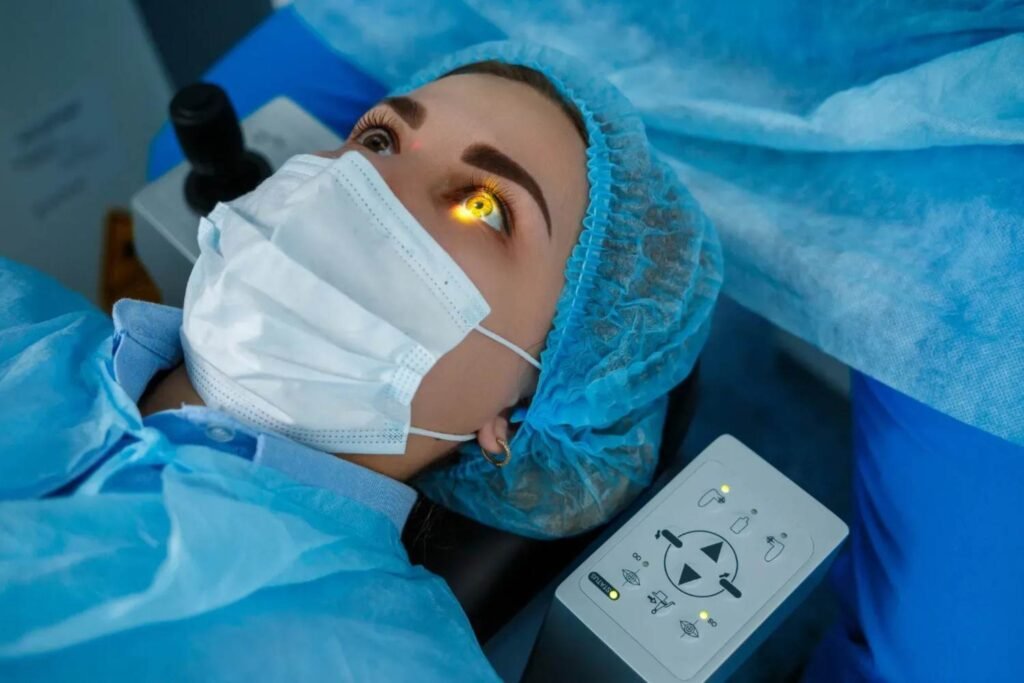
Clear vision plays an important role in our daily lives, from reading and driving to working on digital devices. However, when vision problems begin to affect these activities, it is important not to ignore them. Consulting an experienced Eye Surgeon in Gurgaon can help identify the underlying cause and determine the right treatment.
For fast information, chat with us directly on WhatsApp.
Some vision problems can be corrected with prescription glasses or medication. Others may require specialised treatment or eye surgery. Understanding the warning signs can help you seek timely medical attention and protect your eyesight.
1. When Should You Visit an Eye Surgeon?
You should consider consulting an eye specialist whenever you notice persistent changes in your vision. Even minor symptoms can sometimes indicate an underlying eye condition that needs medical evaluation.
Look out for these common warning signs:
- Blurred or hazy vision that does not improve.
- Difficulty reading or seeing distant objects clearly.
- Frequent changes in your glasses prescription.
- Difficulty seeing clearly at night.
- Persistent eye pain, redness, or light sensitivity.
- Double vision or distorted images.
- Difficulty performing everyday activities because of poor vision.
An eye examination can help determine whether you need a new prescription, medical treatment, further testing, or surgical care.
Important: Sudden vision loss, new flashes of light, a sudden increase in floaters, or a dark shadow across your vision requires urgent medical assessment. Do not wait for a routine appointment.
2. Blurred Vision That Does Not Improve
Blurred vision is one of the most common reasons people seek eye care. It may develop gradually or appear suddenly. Common causes include refractive errors, dry eyes, cataracts, and certain retinal conditions.
If your vision remains blurry despite wearing the correct glasses, a comprehensive eye examination is recommended. An eye specialist can check your vision and examine the structures inside your eyes.
For people experiencing persistent symptoms, an Eye Surgeon in Gurgaon can help identify whether the problem can be managed with non-surgical treatment or requires further specialist care.
Avoid changing your glasses prescription repeatedly without understanding why your vision is becoming unclear.
3. Cataracts and Increasing Difficulty Seeing
Cataracts occur when the natural lens inside the eye becomes cloudy. This condition commonly develops with age, although previous eye injuries and certain health conditions can also increase the risk.
Common cataract symptoms include:
- Cloudy or blurred vision.
- Increased glare from sunlight or headlights.
- Difficulty seeing clearly at night.
- Colours appearing faded.
- Frequent changes in your glasses prescription.
Cataracts can gradually interfere with reading, driving, and other everyday activities. In the early stages, updated glasses and regular monitoring may be sufficient. However, when cataracts significantly affect daily life, cataract surgery may be recommended.
An eye surgeon can assess the severity of the cataract and explain the available treatment options.
4. Eye Problems Associated With Diabetes
People living with diabetes have a higher risk of developing eye complications, including diabetic retinopathy. This condition affects the blood vessels in the retina, which is the light-sensitive tissue at the back of the eye.
In its early stages, diabetic retinopathy may not cause noticeable symptoms. As the condition progresses, it can lead to blurred vision, floaters, or vision loss.
Regular comprehensive eye examinations are essential for people with diabetes, even when their eyesight appears normal.
Depending on the findings, an eye specialist may recommend monitoring, laser treatment, injections, or surgery. Early detection can help reduce the risk of serious vision complications.
5. Flashes, Floaters, or a Shadow in Your Vision
Seeing occasional floaters may not always indicate a serious problem. However, a sudden increase in floaters, flashes of light, or a curtain-like shadow across your vision can be signs of a retinal tear or retinal detachment.
The retina is essential for processing visual information. If it becomes detached, prompt treatment is necessary to reduce the risk of permanent vision loss.
Seek urgent eye care if you experience these symptoms, particularly if they appear suddenly or affect one eye.
Do not wait for the symptoms to disappear on their own. An urgent examination can help determine whether immediate treatment is needed.
6. Persistent Eye Pain, Redness, or Light Sensitivity
Eye discomfort can result from dry eyes, infections, inflammation, injuries, or other eye conditions. Mild irritation may improve with appropriate care, but persistent or severe symptoms should not be ignored.
You should seek medical evaluation if you experience:
- Ongoing eye pain or discomfort.
- Redness accompanied by pain.
- Significant sensitivity to light.
- Blurred vision along with redness.
- Pain following an eye injury.
Severe eye pain with sudden vision changes requires emergency assessment. These symptoms may indicate a condition that needs immediate treatment.
Avoid using leftover prescription eye drops without medical advice, as the wrong medication may worsen certain eye conditions.
7. Glaucoma and Other Conditions That May Affect Vision
Glaucoma is a group of eye conditions that can damage the optic nerve. Some forms develop slowly without obvious symptoms, while others can cause sudden severe eye pain, blurred vision, nausea, and halos around lights.
Because early glaucoma may not produce noticeable changes in eyesight, regular eye examinations are particularly important for people with risk factors such as a family history of glaucoma or increasing age.
An eye specialist can assess eye pressure, examine the optic nerve, and recommend further tests when needed.
Treatment may include eye drops, laser procedures, or surgery, depending on the type and severity of the condition. Early diagnosis can help protect remaining vision.
8. What Happens During an Eye Surgeon Consultation?
Visiting an eye surgeon does not automatically mean you will need surgery. The first step is to understand the cause of your symptoms and evaluate your overall eye health.
During your appointment, the doctor may:
- Ask about your symptoms, medical history, and previous eye treatments.
- Check visual acuity and assess whether you need glasses.
- Examine the front and back of your eyes.
- Measure eye pressure when indicated.
- Recommend specialised tests if an underlying condition is suspected.
- Discuss suitable treatment options based on the diagnosis.
If surgery is necessary, your doctor can explain its purpose, potential benefits, possible risks, preparation, and recovery.
Choosing an experienced Eye Surgeon in Gurgaon can help you understand your condition and make informed decisions about your eye care.
9. How Can You Protect Your Vision?
Although not every eye condition can be prevented, healthy habits and regular examinations can help maintain good eye health.
Follow these simple steps:
- Schedule regular eye examinations as recommended by your doctor.
- Manage diabetes and blood pressure with appropriate medical care.
- Wear protective eyewear during activities that may cause eye injuries.
- Use sunglasses that provide adequate ultraviolet protection.
- Take regular breaks during prolonged screen use.
- Avoid rubbing your eyes and maintain good contact lens hygiene.
- Seek medical advice when you notice new or persistent symptoms.
People with diabetes, a family history of eye disease, or existing eye conditions may need more frequent examinations.
Conclusion
Vision problems should never be ignored, particularly when they persist, worsen, or interfere with daily activities. Conditions such as cataracts, glaucoma, and retinal disorders may require specialised treatment, and timely diagnosis can make a meaningful difference to eye health.
Consulting an Eye Surgeon in Gurgaon can help you understand your symptoms, explore suitable treatments, and determine whether surgery is necessary. If you experience sudden vision loss, severe eye pain, or new flashes and floaters, seek urgent medical attention rather than waiting for a routine appointment.
Dr. Sneha Tiwari encourages patients to prioritise regular eye examinations and seek professional advice whenever they notice changes in their vision. Taking action early is an important step towards protecting your eyesight.
Frequently Asked Questions (FAQs)
1. When should I consult an eye surgeon for vision problems?
You should consult an eye specialist if you experience persistent blurred vision, increasing difficulty seeing at night, double vision, or other changes that affect your daily activities. Sudden vision loss requires emergency assessment.
2. Does blurred vision always require eye surgery?
No. Blurred vision may result from refractive errors, dry eyes, or other conditions that can be managed without surgery. Treatment depends on the underlying cause identified during an eye examination.
3. How do I know if I need cataract surgery?
Cataract surgery may be recommended when clouding of the natural lens significantly affects activities such as reading, driving, or working. Your eye surgeon will assess your symptoms and eye health before recommending treatment.
4. Can glaucoma cause vision loss without noticeable symptoms?
Yes. Some forms of glaucoma develop gradually without obvious early warning signs. Regular eye examinations can help detect the condition before significant vision loss occurs.
5. When is sudden blurred vision an emergency?
Sudden blurred vision, sudden loss of sight, severe eye pain, new flashes of light, a sudden increase in floaters, or a dark shadow across your vision requires urgent medical assessment. Prompt treatment may help prevent permanent damage.