Our eyes change throughout life, and so do the eye conditions that can affect them. Some eye diseases are more common in children, while others typically develop during adulthood or later years. Understanding Common Eye Diseases by Age in Gurgaon helps you recognize early warning signs and seek timely treatment before vision is affected.
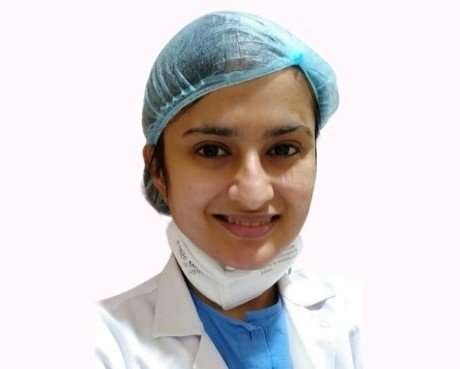
Regular eye examinations are important at every stage of life because many eye conditions develop gradually without obvious symptoms. In this blog, Dr. Sneha Tiwari explains the most common eye diseases seen in different age groups, their symptoms, preventive measures, and when you should consult an ophthalmologist.
For fast information, direct chat with us on WhatsApp.
Why Eye Health Changes with Age
The eyes naturally undergo structural and functional changes over time. Factors such as genetics, lifestyle, nutrition, prolonged screen exposure, diabetes, and high blood pressure also influence eye health.
Although some age-related changes are normal, others may indicate an underlying eye disease that requires medical attention. Early diagnosis often improves treatment outcomes and helps preserve vision.
Common Eye Diseases in Children
Children may not always realize they have vision problems. Therefore, parents should watch for signs that may indicate an eye condition.
Refractive Errors
Among the most common eye diseases in children, refractive errors include:
- Myopia (Nearsightedness)
- Hyperopia (Farsightedness)
- Astigmatism
Children with these conditions may squint, sit very close to the television, or complain of headaches after reading.
Amblyopia (Lazy Eye)
Amblyopia develops when one eye does not achieve normal vision during childhood.
Symptoms include:
- Poor vision in one eye
- Eye misalignment
- Difficulty judging distance
Early treatment is important because vision development occurs mainly during childhood.
Strabismus (Crossed Eyes)
Strabismus occurs when the eyes are not properly aligned.
If left untreated, it may lead to permanent vision problems or lazy eye.
Common Eye Diseases in Young Adults
Young adults often experience eye problems related to digital lifestyles and environmental factors.
Digital Eye Strain
Extended use of computers, mobile phones, and tablets can cause:
- Blurred vision
- Dry eyes
- Eye fatigue
- Headaches
- Neck pain
Following the 20-20-20 rule can help reduce digital eye strain.
Dry Eye Syndrome
Dry eye syndrome has become increasingly common due to prolonged screen time, air-conditioned environments, and reduced blinking.
Symptoms include:
- Burning sensation
- Redness
- Watering
- Temporary blurred vision
Artificial tears and lifestyle changes often provide relief.
Common Eye Diseases in Adults in Gurgaon
As people enter their 40s and 50s, several age-related eye diseases become more common.
Presbyopia
Presbyopia is a natural age-related condition that makes it difficult to focus on nearby objects.
People may notice:
- Difficulty reading small print
- Holding books farther away
- Eye strain while reading
Reading glasses usually help manage this condition.
Glaucoma
Glaucoma damages the optic nerve, often due to increased eye pressure.
One challenge is that glaucoma may not cause symptoms until significant vision loss has already occurred.
Risk factors include:
- Family history
- Diabetes
- High eye pressure
- Increasing age
Routine eye examinations are essential for early detection.
Common Eye Diseases in Older Adults
The risk of several serious eye diseases increases after the age of 60.
Cataracts
Cataracts occur when the eye’s natural lens becomes cloudy.
Symptoms include:
- Blurred vision
- Difficulty driving at night
- Sensitivity to bright lights
- Faded colours
- Frequent changes in eyeglass prescription
Modern cataract surgery is a safe and effective treatment option.
Age-Related Macular Degeneration (AMD)
AMD affects the macula, the central part of the retina responsible for detailed vision.
Symptoms include:
- Distorted vision
- Difficulty recognizing faces
- Straight lines appearing wavy
- Loss of central vision
Early diagnosis can help slow disease progression.
Diabetic Retinopathy
People with diabetes are at risk of diabetic retinopathy, a condition that damages retinal blood vessels.
Initially, symptoms may not be noticeable. However, untreated diabetic retinopathy can eventually lead to permanent vision loss.
Regular retinal examinations are essential for individuals living with diabetes.
Warning Signs You Should Never Ignore
Regardless of age, certain symptoms require prompt evaluation by an ophthalmologist.
Seek medical attention if you notice:
- Sudden blurred vision
- Double vision
- Eye pain
- Persistent redness
- Flashes of light
- New floaters
- Loss of peripheral vision
- Sudden vision loss
Early treatment can prevent serious complications.
How to Protect Your Vision at Every Age in Gurgaon
Maintaining healthy eyes requires consistent care throughout life.
Healthy Eye Care Tips
- Schedule regular comprehensive eye examinations.
- Wear UV-protective sunglasses outdoors.
- Eat green leafy vegetables and colourful fruits.
- Include foods rich in omega-3 fatty acids.
- Maintain healthy blood sugar and blood pressure.
- Avoid smoking.
- Take regular breaks during screen use.
- Wear protective eyewear during sports or hazardous work.
These simple habits support long-term eye health and may reduce the risk of several eye diseases.
Importance of Regular Eye Examinations
Many Common Eye Diseases by Age develop slowly and may not produce symptoms in the early stages.
Routine eye check-ups allow ophthalmologists to detect problems before they affect vision significantly. Early diagnosis often results in simpler treatments and better long-term outcomes.
Even if your vision seems normal, preventive eye examinations remain one of the best ways to protect your eyesight.
When Should You Consult an Eye Specialist?
You should schedule an eye examination if you experience:
- Difficulty reading
- Frequent headaches due to eye strain
- Blurred vision
- Reduced night vision
- Eye discomfort
- Family history of glaucoma or retinal disease
- Diabetes or hypertension
Regular monitoring becomes increasingly important as you grow older.
Conclusion
Understanding Common Eye Diseases by Age helps individuals recognize potential vision problems before they become serious. Whether it is eye diseases in children, age-related eye diseases, cataracts, glaucoma, or diabetic retinopathy, early diagnosis remains the key to protecting long-term vision.
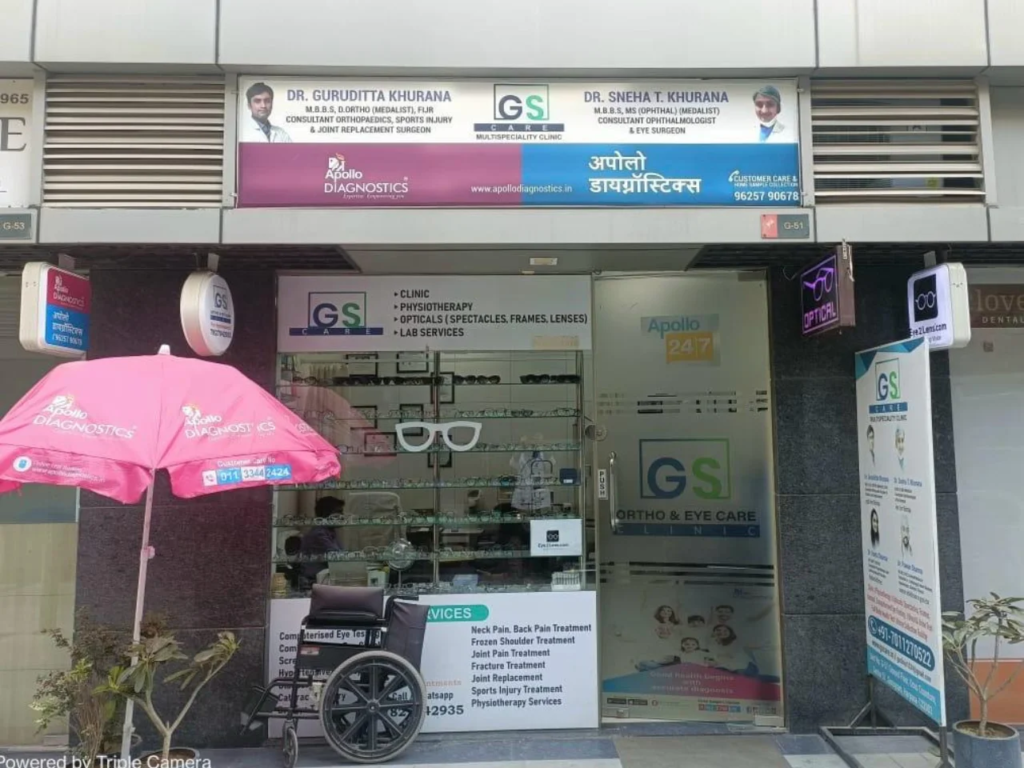
Routine eye examinations, healthy lifestyle habits, and timely medical care can significantly reduce the risk of vision loss. If you notice changes in your eyesight or have concerns about your eye health, consulting Dr Sneha T Khurana can help you receive an accurate diagnosis and personalized treatment plan.