

Cataracts are one of the leading causes of vision loss, especially among older adults. Fortunately, cataract surgery is one of the safest and most successful eye procedures performed today. However, despite medical advancements, many people still hesitate to undergo treatment because of common Cataract Surgery Myths.
These misconceptions often create unnecessary fear and delay timely treatment. Understanding the truth can help you make informed decisions about your eye health and preserve your vision. In this blog, Dr. Sneha Tiwari explains the most common myths surrounding cataract surgery and the facts every patient should know.
For fast information, direct chat with us on WhatsApp.
What Is a Cataract?
A cataract occurs when the natural lens of the eye becomes cloudy. As the cataract progresses, vision gradually becomes blurry, colors appear dull, and activities such as reading or driving become difficult.
Although cataracts usually develop with age, they can also occur due to diabetes, eye injuries, prolonged steroid use, excessive UV exposure, or certain medical conditions. The good news is that cataracts are treatable through a safe surgical procedure that replaces the cloudy lens with an artificial intraocular lens (IOL).
Cataract Surgery Myths That You Should Stop Believing
Many patients postpone treatment because they believe incorrect information. Let’s separate myths from facts.
Myth 1: Cataract Surgery Is Painful
One of the biggest Cataract Surgery Myths is that the procedure is extremely painful.
Fact
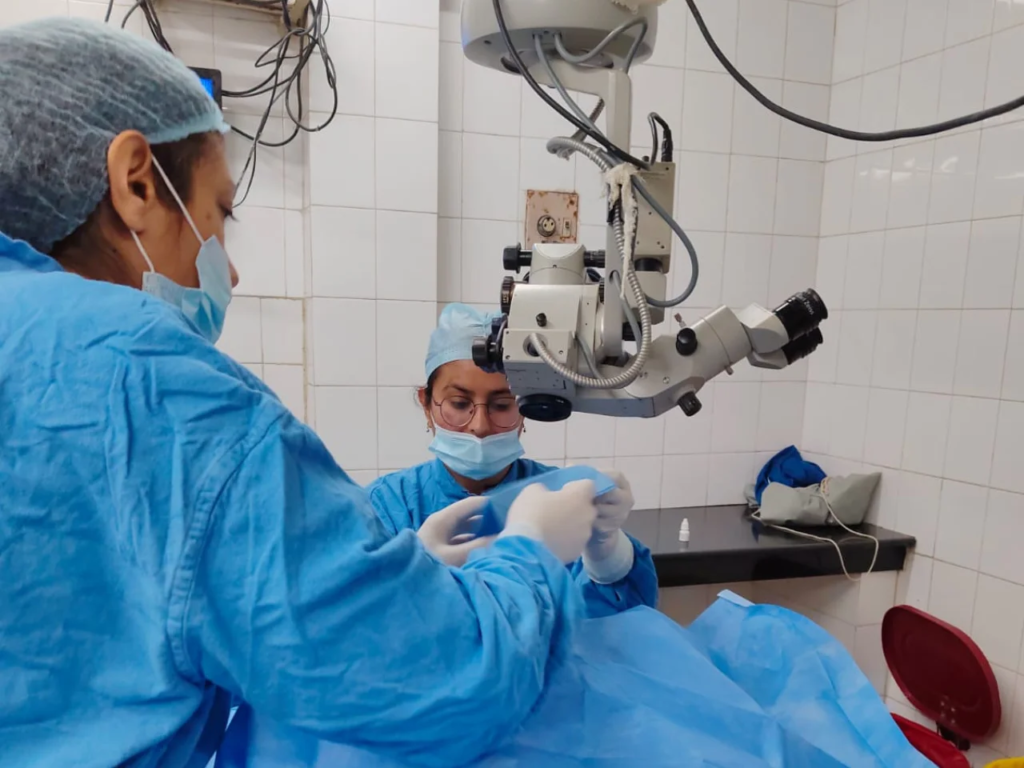
Modern cataract surgery is performed under local anesthesia using advanced technology. Most patients feel only slight pressure or mild discomfort during the procedure. The surgery usually takes around 15–30 minutes, and patients return home the same day.
Myth 2: Cataracts Must Be Fully Mature Before Surgery
Many people believe they should wait until the cataract becomes completely white before seeking treatment.
Fact
This belief is outdated. Eye specialists now recommend surgery when cataracts begin interfering with daily activities such as reading, driving, watching television, or recognizing faces.
Delaying surgery may make the cataract denser, which can increase surgical complexity and prolong cataract surgery recovery.
Myth 3: Cataract Surgery Is Risky
Another common Cataract Surgery Myth is that the surgery carries a high risk of blindness.
Fact
Modern cataract surgery has an excellent success rate worldwide. Serious complications are uncommon when the procedure is performed by an experienced ophthalmologist and patients follow post-operative instructions carefully.
Choosing an experienced eye surgeon significantly improves treatment outcomes and patient safety.
Myth 4: Cataracts Can Grow Back After Surgery
Many patients worry that cataracts will return after removal.
Fact
Once the cloudy natural lens has been removed, it cannot develop another cataract.
However, some people may develop clouding behind the artificial lens months or years later. This condition is called Posterior Capsule Opacification (PCO) and is not a new cataract. It can usually be treated quickly with a painless laser procedure.
This is one of the most misunderstood cataract surgery misconceptions.
Myth 5: Surgery Requires a Long Hospital Stay
Some people believe they need to stay in the hospital for several days.
Fact
Modern cataract surgery is usually performed as a day-care procedure. Most patients go home within a few hours after surgery and continue recovering comfortably at home.
Following your doctor’s instructions, using prescribed eye drops, and attending follow-up visits support a smooth recovery.
Myth 6: Recovery Takes Several Months
Recovery time is another area where misinformation is common.
Fact
Most patients notice better vision within a few days, although complete healing may take several weeks depending on individual eye health.
During cataract surgery recovery, patients should:
- Use prescribed eye drops regularly.
- Avoid rubbing the eyes.
- Protect the eyes from dust and water.
- Avoid strenuous physical activities for the recommended period.
- Wear protective sunglasses outdoors.
Following these precautions helps reduce complications and supports faster healing.
Myth 7: Cataract Surgery Is Only for Elderly People
Many assume cataracts only affect senior citizens.
Fact
Although aging is the most common cause, cataracts may also occur in younger adults and even children due to congenital conditions, trauma, diabetes, prolonged medication use, or other health issues.
Therefore, age alone should never determine whether someone needs evaluation for cataracts.
Is Cataract Surgery Safe?
One of the most searched questions online is “Is cataract surgery safe?”
Yes. Modern cataract surgery is considered one of the safest and most effective surgical procedures available. Advanced techniques, improved surgical equipment, and high-quality intraocular lenses have made treatment safer and more precise than ever before.
However, every patient is unique. A comprehensive eye examination helps determine the right time for surgery and the most suitable lens option.
When Should You Consult an Eye Specialist in Gurugram?
Do not ignore symptoms such as:
- Blurred or cloudy vision
- Difficulty driving at night
- Increased sensitivity to light
- Frequent changes in eyeglass prescription
- Double vision in one eye
- Faded or dull colors
Early consultation allows timely diagnosis and helps prevent worsening vision.
Tips to Maintain Healthy Vision
While cataracts cannot always be prevented, healthy habits may reduce risk and support long-term eye health.
- Schedule regular eye examinations.
- Wear UV-protective sunglasses outdoors.
- Control diabetes and blood pressure.
- Eat a balanced diet rich in leafy vegetables and fruits.
- Avoid smoking.
- Follow your eye doctor’s advice if you have existing eye conditions.
These simple lifestyle measures contribute to healthier eyes throughout life.
Conclusion
Believing Cataract Surgery Myths can delay treatment and affect your quality of life. The reality is that modern cataract surgery is safe, effective, and offers excellent visual outcomes for most patients. Understanding the facts about cataract surgery facts, cataract operation myths, and cataract surgery recovery helps patients make confident healthcare decisions.
If you are experiencing blurred vision or have been diagnosed with cataracts, consulting an experienced ophthalmologist such as Dr. Sneha Tiwari can help you understand your treatment options and determine the right time for surgery based on your individual eye condition.